
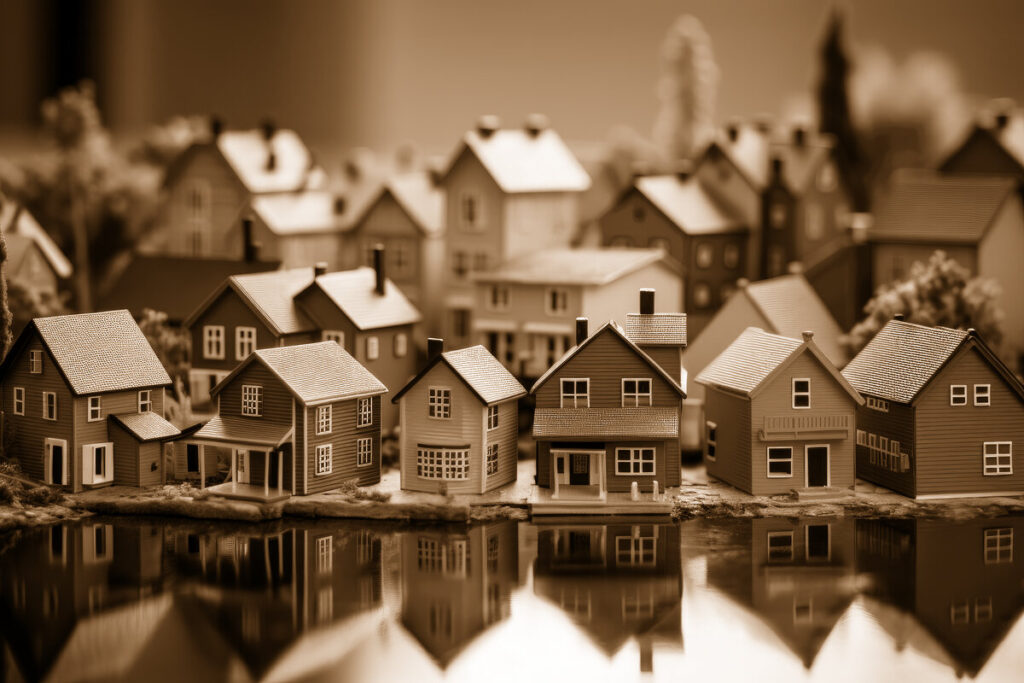
Nestled just east of downtown Lake City, the Watertown neighborhood is a cherished corner of Columbia County. With its tree-lined streets, quiet lakes, and a tapestry of stories stretching back over a century, Watertown stands as a living reminder of the region’s resilience and rich heritage. For longtime residents and newcomers alike, understanding Watertown’s past offers a deeper sense of home—one shaped by hardworking pioneers, close-knit community life, and the ever-present call of the water.
Origins of Watertown: A Name Shaped by Nature
Watertown’s very name reflects the heart of its origins. In the latter part of the 19th century, the area that would become Watertown was distinguished by its abundance of natural springs, ponds, and the prominent Watertown Lake itself—a shimmering body of water still bordered by the quiet lanes of Lake Drive and Sharon Road.
Historic accounts suggest that a local railroad engineer affectionately nicknamed the area “Watertown” after being charmed by the prevalence of water features during his routine stops here. The name stuck, gradually eclipsing earlier references to the region as simply the “East Side” of Lake City.
Founding Days: Growth Along the Rails
Watertown began to take shape in earnest around the turn of the 20th century, spurred by the extension of the rail line just north of what is now East Duval Street (U.S. Highway 90). The proximity to the railroad brought aspiring settlers and businesses eager to benefit from the transport of timber, cotton, and, notably, the area’s prized mineral water—which was once believed to have therapeutic properties.
Several family-run stores and boarding houses sprang up along Faith Road and Lake Drive, serving loggers, rail workers, and travelers. Watertown quickly developed a reputation as a welcoming stopover—an identity that endures in its friendly, neighborly atmosphere even today.
Milestones Through the Decades
As Watertown matured, its story echoed the broader history of Lake City and North Florida:
- 1920s – 1940s: The construction of Watertown Elementary in 1926 marked a significant investment in community life, becoming both a center for education and a gathering place for seasonal events. The original brick building, still standing at 472-482 NE Watson St, has survived fires and hurricanes over the decades and remains a beloved landmark.
- Post-WWII Boom: After World War II, returning veterans and their families sought affordable homes just outside downtown Lake City. Subdivisions began to spring up along the gently curving streets of Colquitt Avenue and Cypress Lake Road, bringing a fresh wave of growth to the neighborhood.
- Civil Rights Era: Watertown played a quiet but crucial role in local integration efforts, reflected in the diverse student population at Watertown Elementary and increased civic engagement at community churches along St. Margaret Road.
- Modern Day: Today, Watertown encompasses a blend of historic homes, newer developments, and green spaces like Watertown Park—a favorite spot for families enjoying picnics beneath towering oaks and for joggers circling the peaceful lake.
Landmarks and Points of Pride
Ask any resident what makes Watertown special, and you’ll likely hear about a cherished landmark or two:
- Watertown Lake: The heart of the neighborhood, framing tranquil mornings and evening fish stories for generations. Regular fishing derbies and birdwatching outings make it much more than scenery—it’s the soul of local life.
- Watertown Elementary School: Often called “the cornerstone of Watertown,” this school not only educates generations but anchors a sense of community unity that outlasts graduation.
- Historic Homes: Bungalows, farmhouses, and even a few grand old Victorians line streets like SE Myrtis Road and NE Patterson Avenue. Their wide porches and graceful oaks recall slower summer days and the laughter of children at play.
- Faith Road Churches: Houses of worship along Faith Road have long served as gathering points for gospel music, fellowship suppers, and holiday celebrations, weaving faith into the area’s defining character.
Watertown’s Evolution: A Living, Breathing Neighborhood
What has kept Watertown vibrant through the years is its ability to balance tradition with change. While the legacy of early settlers and railroad days remains, so too does a spirit of adaptability:
- Community gardens and beautification projects have replaced some of the old sawmills and packing sheds.
- Annual neighborhood barbecues and holiday parades foster a strong, intergenerational spirit—as do the deep roots of families who have called Watertown home for five generations or more.
- Newcomers are welcomed into a neighborhood watch that extends beyond property lines—Watertown remains a place where borrowed cups of sugar turn into lasting friendships.
Notably, the ongoing restoration of select historic homes, paired with the nurturing of parks and lakes, speaks to a community that cherishes its past while planning for the future. Watertown’s location—quiet, yet close to Lake City’s schools, hospitals, and shops—makes it an appealing choice for those seeking a peaceful blend of history and neighborly warmth.
Looking Ahead: Watertown’s Enduring Heritage
Today, driving down Lake Drive as the sun sets across Watertown Lake, you can’t help but feel the echoes of earlier times: children skating in the park, neighbors chatting over backyard fences, the toll of the school bell floating on a summer breeze.
Watertown is more than just a place on the map of Lake City—it’s a living heritage. Its story, told through preserved landmarks and the daily lives of its residents, is one of resilience, unity, and pride. As Watertown continues to evolve, one thing remains unchanged: the gentle call of water, history, and home.